Eggs: A Brain Booster
By Editorial Staff
For years, eggs have been praised as an affordable source of
high-quality protein. Increasing research suggests they may offer another
benefit: helping support brain health as we age.
A study examined whether egg consumption is associated with
the risk of developing Alzheimer's dementia in older adults.
Researchers
analyzed data from more than 1,000 participants in the long-running Rush Memory
and Aging Project, tracking dietary habits and cognitive health over several
years.
The findings were intriguing. Older adults who consumed eggs
more frequently had a lower risk of developing Alzheimer's compared with those
who ate eggs less often. The researchers estimated that eating more than one
egg per week was associated with a substantially reduced risk of Alzheimer's
disease.
Why might eggs make a difference? One likely explanation is choline, an essential nutrient found in egg yolks. Choline
plays a critical role in the production of acetylcholine, a neurotransmitter
involved in memory and learning. Many adults fail to meet recommended choline
intake levels, making eggs one of the most practical dietary sources. Eggs also
contain other nutrients that support brain function, including lutein and
omega-3 fatty acids.
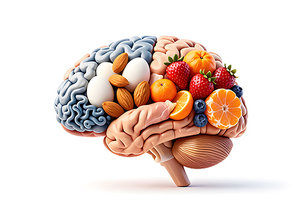 Eggs have undergone a nutritional image makeover. For years,
they were viewed with suspicion because of their cholesterol content. Today,
researchers recognize that dietary cholesterol has far less influence on blood
cholesterol levels than previously thought for most healthy individuals. This
shift in understanding has helped restore eggs' reputation as a nutrient-rich
food that can contribute valuable protein, choline, vitamins, and minerals to
the diet.
Eggs have undergone a nutritional image makeover. For years,
they were viewed with suspicion because of their cholesterol content. Today,
researchers recognize that dietary cholesterol has far less influence on blood
cholesterol levels than previously thought for most healthy individuals. This
shift in understanding has helped restore eggs' reputation as a nutrient-rich
food that can contribute valuable protein, choline, vitamins, and minerals to
the diet.
The current study, published in The Journal of Nutrition,
found that choline appeared to explain a significant portion of the
relationship between egg consumption and lower Alzheimer's risk. In other
words, part of the apparent protective effect of eggs may stem from their
contribution to overall choline intake.
Of course, this does not mean eggs are a magic bullet
against dementia. Alzheimer's disease is influenced by many factors, including
genetics, physical activity, sleep quality, cardiovascular health, social
engagement, and overall dietary patterns. The study was observational, meaning
it identified an association rather than proving that eggs directly prevent the
disease.
Still, the findings add to a growing body of evidence
suggesting what we eat throughout life can have a meaningful impact on brain
health. Rather than focusing on a single "superfood," experts
generally recommend a nutrient-rich diet that includes vegetables, fruits,
healthy fats, fish, nuts, and other minimally processed foods. Eggs can fit
comfortably into that pattern while providing nutrients that may help support
cognitive function.
Takeaway Points:
- Older adults who ate eggs more frequently were less likely to develop
Alzheimer's dementia in this study.
- Choline, a nutrient abundant in egg yolks, may play an important role in the
relationship between egg intake and brain health.
- Eggs also provide protein, lutein, and other nutrients linked to healthy
aging.
- Modern research suggests dietary cholesterol has much less impact on blood
cholesterol levels than once believed for most people.
- While eggs are not a guarantee against dementia, they may be one simple
addition to an overall brain-friendly lifestyle.


