Nut Butters for Stronger Aging
By Editorial Staff
Staying strong and independent becomes more important – and more challenging – as we age. Muscle strength, mobility, and the ability to perform everyday tasks can gradually decline, increasing the risk of falls, frailty, and loss of independence.
While exercise is a well-known solution, researchers are increasingly exploring whether everyday foods can also play a role in keeping older adults physically capable.
A Comfort Food Put to the Test
In a six-month randomized, controlled trial, researchers examined whether regularly eating peanut butter could help improve physical function in older adults. Participants were divided into two groups: one added peanut butter to their usual diets, while the other continued eating as they normally would.
Peanut butter isn't just a nostalgic pantry staple. It's packed with plant protein, healthy fats, fiber, vitamins, minerals, and bioactive compounds that may support muscle health and overall nutrition – areas that are especially important later in life. Because many older adults struggle to get enough high-quality protein and calories, peanut butter offers a soft, convenient, calorie-dense option that's easy to incorporate into meals and snacks.
What the Researchers Found
Over the course of the study, participants who added peanut butter to their diets showed measurable improvements in several aspects of physical function compared with those who didn't. Key areas of improvement included:
- Muscle strength: Better performance on strength-related measures
- Functional mobility : Improvements in everyday movement such as standing, walking and balance
- Overall physical performance: Higher scores on standardized function tests
Importantly, these benefits came from a simple dietary change rather than an intense exercise program or medical treatment.
What About Other Nut Butters?
Peanut butter isn't the only nut or seed butter on the shelf, and many alternatives offer similar – or sometimes broader – health benefits.
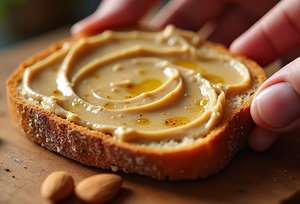 Almond butter is often higher in vitamin E and calcium and provides heart-healthy fats and plant protein. Cashew butter is creamier and slightly lower in protein and fiber, but rich in magnesium and iron, which support muscle and metabolic health. Walnut butter stands out for its omega-3 fatty acids that support heart and brain health. Sunflower seed butter is a strong option for people with nut allergies and provides vitamin E, magnesium and selenium. Mixed nut butters combine the strengths of multiple nuts for broader nutritional diversity.
In general, most nut and seed butters are nutrient-dense foods that provide plant protein, healthy fats and important micronutrients.
Why This Matters for Healthy Aging
Physical function is one of the strongest predictors of independence in older adults. The ability to rise from a chair, walk safely, carry groceries, or climb stairs directly affects quality of life. Even small declines can increase reliance on others and raise the risk of injury.
Nutrition plays a central role in maintaining muscle mass and strength, yet many older adults don't consume enough protein or nutrient-dense foods. Appetite changes, dental issues, cost concerns, and meal preparation challenges often get in the way. Nut and seed butters may help bridge that gap because they are easy to chew, affordable, shelf-stable, convenient, and calorie-dense.


